- L’actualité B2B
- Tout
- Acquisition
- Actualités corporate
- Anniversaires
- Awards / récompenses
- Bureau / Office
- CHR/HORECA
- Communication / Marketing des entreprises
- Distribution
- e-commerce
- Événements
- Industrie
- L'actu des salons professionnels
- L'actu Hôtellerie
- L'actualité des filières
- L'actualité RSE des entreprises
- Les grandes interviews
- Nominations
- Packaging
- Resultats financiers
- Retail - Actualité boutiques
- Retail - Actualité des grandes enseignes
- RSE / Économie circulaire
- Made in France
- HFN – Le Magazine
- International content










- L’actualité B2B
- Tout
- Acquisition
- Actualités corporate
- Anniversaires
- Awards / récompenses
- Bureau / Office
- CHR/HORECA
- Communication / Marketing des entreprises
- Distribution
- e-commerce
- Événements
- Industrie
- L'actu des salons professionnels
- L'actu Hôtellerie
- L'actualité des filières
- L'actualité RSE des entreprises
- Les grandes interviews
- Nominations
- Packaging
- Resultats financiers
- Retail - Actualité boutiques
- Retail - Actualité des grandes enseignes
- RSE / Économie circulaire
- Made in France
- HFN – Le Magazine
- International content
Lexon: a signature at the crossroads of everyday design and modern art
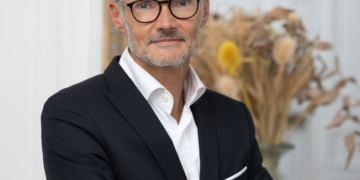
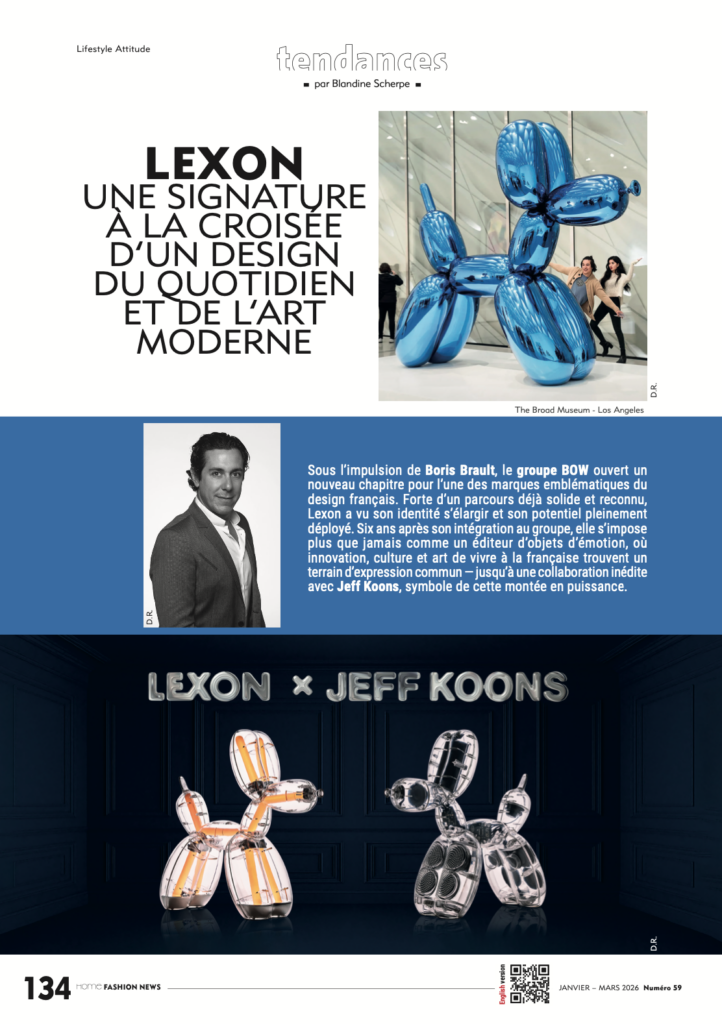
Driven by Boris Brault, the BOW Group is opening a new chapter for one of the most emblematic brands of French design. With an already solid and widely recognised track record, Lexon has seen its identity expand and its potential fully realised. Six years after joining the group, the brand now stands more firmly than ever as a publisher of emotional objects, where innovation, culture and the French art de vivre meet—culminating in an unprecedented collaboration with Jeff Koons, a symbol of this rise in stature.
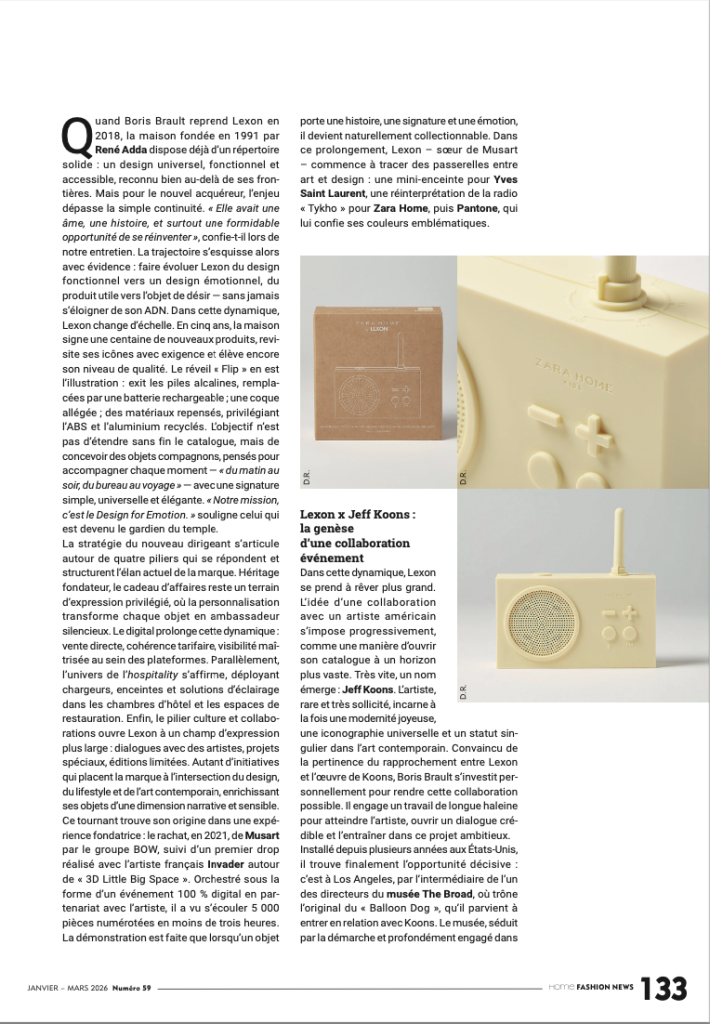
When Boris Brault took over Lexon in 2018, the company founded in 1991 by René Adda already had a strong repertoire: universal, functional and accessible design, recognised far beyond its borders. But for the new owner, the challenge went beyond simple continuity. “It had a soul, a history, and above all an extraordinary opportunity to reinvent itself,” he said during our interview. The trajectory then became clear: to evolve Lexon from functional design towards emotional design, from useful product to object of desire, without ever straying from its DNA. Within this dynamic, Lexon changed scale. In five years, the company launched around one hundred new products, revisited its icons with rigour and further raised its level of quality. The Flip alarm clock is a clear illustration: alkaline batteries were replaced with a rechargeable battery; the casing was lightened; materials were rethought, favouring recycled ABS and aluminium. The objective is not to endlessly expand the catalogue, but to design companion objects intended to accompany every moment—“from morning to night, from the office to travel”—with a simple, universal and elegant signature. “Our mission is Design for Emotion,” emphasises the man who has become the guardian of the temple. The new leader’s strategy is structured around four pillars that echo one another and shape the brand’s current momentum. As a founding heritage, corporate gifting remains a privileged field of expression, where personalisation turns each object into a silent ambassador. Digital extends this dynamic through direct sales, price coherence and controlled visibility across platforms. At the same time, the hospitality universe is gaining ground, deploying chargers, speakers and lighting solutions in hotel rooms and dining spaces. Finally, the culture and collaborations pillar opens Lexon to a broader field of expression: dialogues with artists, special projects and limited editions. Together, these initiatives place the brand at the intersection of design, lifestyle and contemporary art, enriching its objects with narrative and sensory depth. This turning point has its roots in a foundational experience: the acquisition in 2021 of Musart by the BOW Group, followed by a first drop created with the French artist Invader around 3D Little Big Space. Orchestrated as a 100% digital event in partnership with the artist, it saw 5,000 numbered pieces sell out in less than three hours. The message was clear: when an object carries a story, a signature and an emotion, it naturally becomes collectible. Building on this momentum, Lexon—Musart’s sister brand—began forging bridges between art and design, from a mini speaker for Yves Saint Laurent to a reinterpretation of the Tykho radio for Zara Home, followed by Pantone, which entrusted Lexon with its emblematic colours.
Lexon x Jeff Koons: the genesis of a landmark collaboration
Within this dynamic, Lexon began to think bigger. The idea of collaborating with an American artist gradually took shape, as a way of opening its catalogue to a broader horizon. Very quickly, one name emerged: Jeff Koons. Rare and highly sought after, the artist embodies joyful modernity, universal iconography and a singular status in contemporary art. Convinced of the relevance of the connection between Lexon and Koons’s work, Boris Brault personally committed himself to making this collaboration possible. He undertook a long-term effort to reach the artist, establish a credible dialogue and bring him into this ambitious project. Having been based in the United States for several years, he eventually found the decisive opportunity in Los Angeles. Through one of the directors of The Broad museum, where the original Balloon Dog is displayed, he managed to connect with Koons. The museum, seduced by the approach and deeply engaged in the project, would also benefit from exclusive sales rights during the first weeks of the launch, underscoring the exceptional cultural dimension of the collaboration.
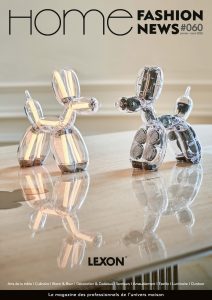
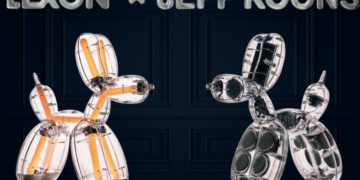
The intention was to revisit one of the artist’s most iconic works by infusing it with the brand’s technological expertise—mastery of light, acoustic excellence and high-end audio know-how—in order to transform this major symbol of contemporary art into an everyday experience, without ever betraying the spirit of the original work. This ambition took shape in a luminous and sonic piece, faithful to the Balloon Dog down to the millimetre, yet powered by meticulously concealed innovation. More than 50,000 hours of R&D and around thirty electronic and mechanical engineers were mobilised to integrate batteries, motors and sensors without altering the purity of the lines: batteries housed in the ears, mechanisms hidden in the legs, sensors integrated into the feet. All of it is enclosed in a transparent shell that reveals the technology while enhancing it, offering a new reading of the work—somewhere between homage, technical feat and functional design.
From this work emerged two complementary objects: the Balloon Dog Speaker and the Balloon Dog Lamp. The former is a 360-degree diffusion speaker designed to deliver rich, immersive sound through an internal architecture combining active speakers and passive radiators, with the option of pairing two units to enhance the stereo effect. The latter is an ambient lamp featuring several hundred integrated light sources, capable of offering a wide spectrum of colours and effects, and of synchronising multiple pieces to create a coherent lighting scenography. Both share the same sculptural proportions—28 cm in height and around 900 grams—and are designed for everyday use, at the intersection of art object, functional design and sensory experience.
The art of expansion that radiates without losing focus
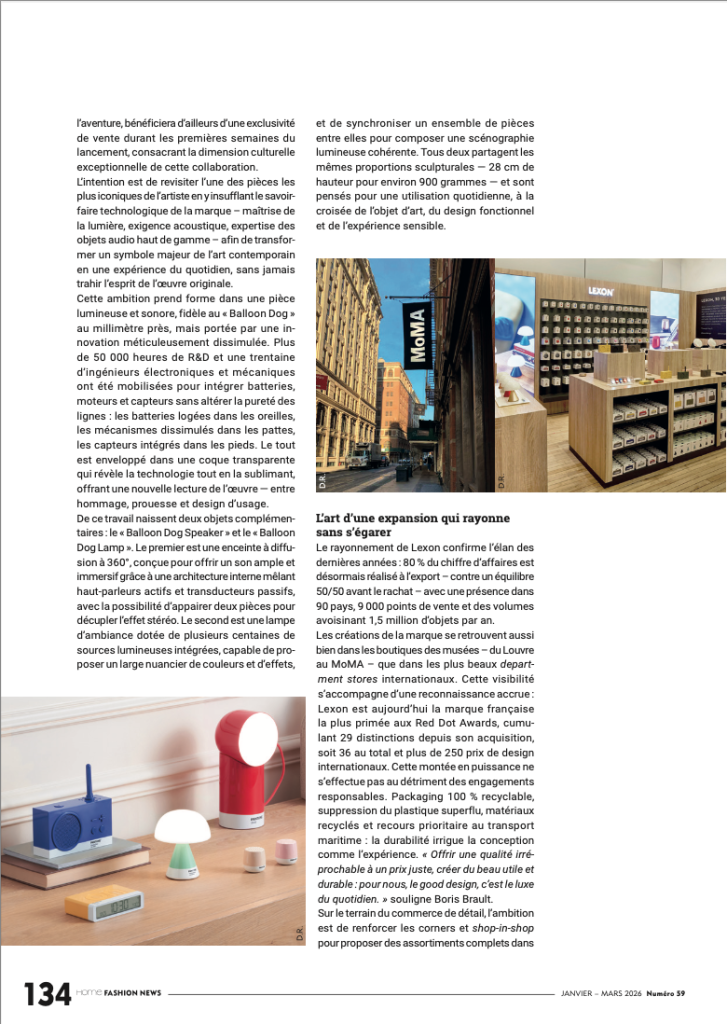
Lexon’s growing influence confirms the momentum of recent years: 80 per cent of revenue is now generated from exports—compared to a 50/50 balance before the acquisition—with a presence in 90 countries, 9,000 points of sale and volumes approaching 1.5 million objects per year. The brand’s creations can be found both in museum shops—from the Louvre to MoMA—and in the finest international department stores. This visibility is matched by growing recognition: Lexon is now the most awarded French brand at the Red Dot Awards, with 29 distinctions since its acquisition, 36 in total and more than 250 international design awards. This rise in stature does not come at the expense of responsible commitments. Fully recyclable packaging, elimination of unnecessary plastic, recycled materials and a priority focus on maritime transport: sustainability informs both design and experience. “Offering impeccable quality at a fair price, creating beautiful, useful and durable objects—for us, good design is the luxury of everyday life,” emphasises Boris Brault.
In retail, the ambition is to strengthen corners and shop-in-shops to offer complete assortments within a coherent scenography. The experience rolled out at Galeries Lafayette has become a benchmark, as has the new presence at Globus. The brand invests in furniture and dedicated visual devices to express the unity of its eight categories—alarm clocks, speakers, lamps, charging solutions, work accessories, nomadic products, travel and luggage, and everyday objects—conceived transversally by designers. Additional families are already in preparation for 2026–2028, notably around care, beauty and well-being.
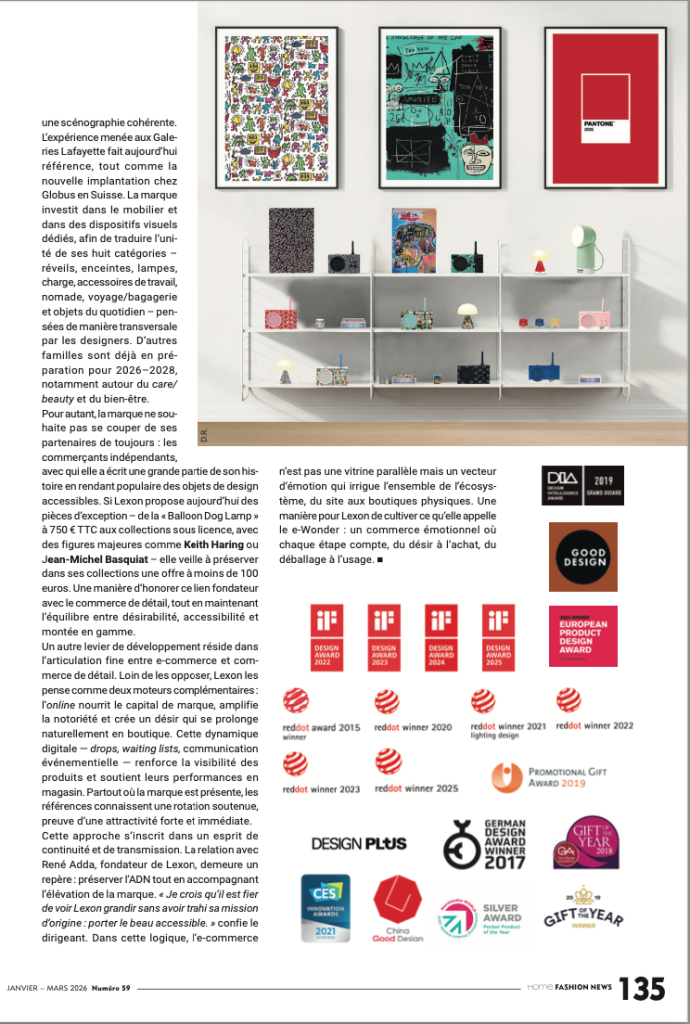
At the same time, the brand remains committed to its long-standing partners: independent retailers, with whom it has written a large part of its history by making accessible design objects widely popular. While Lexon now offers exceptional pieces—from the €750 incl. VAT Balloon Dog Lamp to licensed collections featuring major figures such as Keith Haring or Jean-Michel Basquiat—it is careful to preserve an offer under €100 within its collections. A way of honouring its foundational bond with retail, while maintaining a balance between desirability, accessibility and premium positioning.
Another lever of development lies in the fine articulation between e-commerce and brick-and-mortar retail. Rather than opposing them, Lexon sees them as complementary engines: online channels feed brand equity, amplify awareness and create desire that naturally extends into physical stores. This digital dynamic—drops, waiting lists and event-driven communication—enhances product visibility and supports in-store performance. Wherever the brand is present, references enjoy strong turnover, proof of immediate and sustained appeal.
This approach is rooted in a spirit of continuity and transmission. The relationship with René Adda, founder of Lexon, remains a guiding reference: preserving the DNA while supporting the brand’s elevation. “I believe he is proud to see Lexon grow without betraying its original mission: making beauty accessible,” the executive confides. In this logic, e-commerce is not a parallel showcase but a vector of emotion that nourishes the entire ecosystem, from the website to physical stores. A way for Lexon to cultivate what it calls e-Wonder: emotional commerce in which every step matters, from desire to purchase to unboxing and use.
Source: Home Fashion News Jan26